 Rawebs
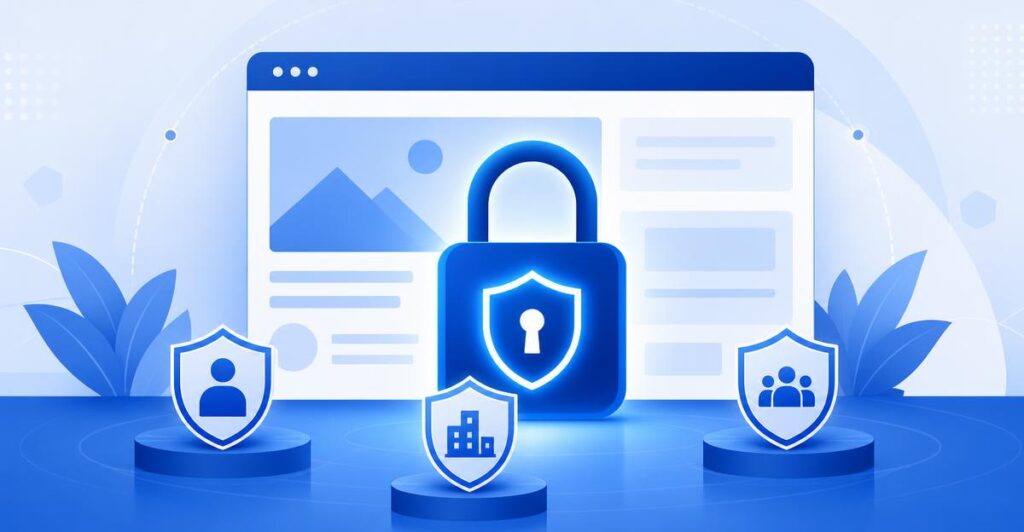
Shopping for an SSL certificate for the first time, it’s easy to assume they’re all functionally identical — a padlock is a padlock, after all. In practice, there are three main types, each verifying a different level of trust about the business behind the website.
Domain Validated (DV): Fast and Straightforward
A DV certificate simply confirms that whoever requested it controls the domain in question. It’s issued quickly, often within minutes, and is perfectly adequate for blogs, informational sites, and smaller business websites that aren’t processing sensitive data directly.
Organisation Validated (OV): Verifying the Business Itself
An OV certificate goes a step further, requiring the certificate authority to verify that a real, registered business exists behind the domain. This adds a layer of legitimacy that’s well suited to established businesses, particularly those handling customer enquiries or basic personal data.
Extended Validation (EV): The Highest Level of Trust
EV certificates involve the most rigorous vetting process, including confirming the legal, physical, and operational existence of the business. This level is typically chosen by financial institutions, larger e-commerce operations, and any business where visibly demonstrating trust is a competitive factor.
Which Should Your Business Choose?
For most small and medium UK businesses, a DV or OV certificate covers what’s needed. E-commerce stores handling significant payment volume, or businesses in finance and other trust-sensitive sectors, often find the extra credibility of EV worth the additional cost and verification process.
You can compare certificate types, including wildcard options for sites with multiple subdomains, on our SSL Certificates page. Not sure which level fits your business? Get in touch and we’ll help you pick the right one.