 Rawebs
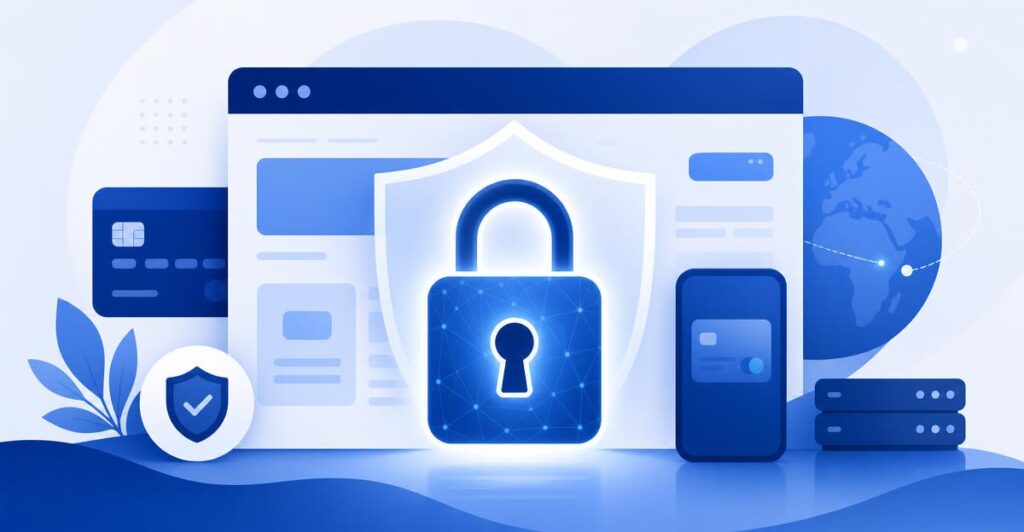
Every online business handling payments needs SSL, but “an SSL certificate” isn’t a single, uniform thing — the right choice depends on how much trust and verification your specific business needs to demonstrate around payment data.
Encryption Is the Baseline, Not the Whole Answer
Any valid SSL certificate encrypts data in transit, which is the fundamental protection against interception. But protecting payment data properly involves more than encryption alone — it involves the credibility and verification behind the certificate too.
Organisation Validation Adds Real Verification
An OV certificate confirms your business is a real, registered entity, which matters for reassuring customers handing over payment details to a company they may not have heard of before.
Extended Validation for Maximum Assurance
EV certificates involve the most thorough vetting, and while browser display of EV indicators has changed over the years, the underlying verification still represents the highest level of assurance available — often chosen by businesses processing significant payment volume.
Certificate Choice Is One Part of PCI Compliance
Beyond the certificate itself, protecting payment data properly also depends on your broader hosting security, how card details are handled by your payment gateway, and keeping software up to date.
Compare validation levels on our SSL Certificates page to find the right fit for your payment volume and customer base. Get in touch if you’re not sure which level your business needs.